Memphis weather changes fast, and that unpredictability is the biggest factor in choosing between a tent and an indoor venue for your event. Spring brings sudden storms and wind gusts, summer delivers heat and humidity that can climb above 95 degrees, and even fall and winter carry a risk of rain with little warning.
A properly rated tent with sidewalls can handle most of what Memphis weather brings, but the right setup depends entirely on the season and the specific risks tied to it. We look at rainfall patterns, wind speeds, and heat index data for the Memphis area to help event planners decide when a tent makes sense and when an indoor backup plan is worth the investment.
Below, we break down a simple framework by season, covering risk level and the tent or sidewall configuration we recommend for each scenario. This gives you a clear starting point for planning an outdoor event that holds up against Memphis conditions instead of getting derailed by them.
Memphis Weather Factors That Shape Guest Comfort
Memphis weather patterns create specific challenges for outdoor events across every season. Humidity, sudden storms, and shifting ground conditions each affect how we plan tent setups, sidewalls, and contingency measures.
Humidity, Heat Index, And Airflow
Memphis summers bring humidity levels that regularly push the heat index 10 to 15 degrees above the actual air temperature. From June through August, we see average humidity readings between 65% and 75%, which makes still air under a sealed tent uncomfortable within minutes.
Airflow matters more than shade alone in these conditions. We recommend open-sided tent configurations or mesh sidewalls whenever afternoon temperatures exceed 85°F, paired with industrial fans positioned at opposite corners to create cross-ventilation.
For events scheduled between 11 a.m. and 4 p.m. in July or August, we suggest adding misting fans or portable AC units. Guests dressed in formal attire feel heat stress faster, so cooling stations near seating areas reduce discomfort during extended outdoor gatherings.
Spring Thunderstorms And Lightning
March through May brings Memphis’s most volatile weather, with thunderstorm activity spiking due to collisions between warm Gulf air and cooler fronts moving through the Mid-South. We track lightning risk closely during this window because strikes can occur even when rain hasn’t started falling.
Sidewalls become essential during spring bookings, not optional. We install full or three-quarter enclosures with clear panels to maintain natural light while blocking wind-driven rain.
A lightning detection protocol matters here: if strikes are recorded within six miles, we pause outdoor activity and move guests to a hard-sided structure until 30 minutes pass without additional activity. Spring events also warrant backup indoor space on standby, since storm cells in this region can develop with less than an hour’s notice.
Rainfall, Wind, And Ground Conditions
Memphis averages roughly 52 inches of rain annually, with the wettest months typically falling between December and May. Saturated ground creates two problems for outdoor setups: tent stakes lose holding strength, and grass or dirt surfaces turn to mud within hours.
We address this with staking depth adjustments and, when soil conditions are poor, water-filled ballast systems instead of standard stakes. Subfloor or turf protection panels also help maintain stable footing for guests and vendors when recent rainfall has softened the ground.
Wind speeds above 20 mph require reinforced tent anchoring regardless of season. We monitor forecasts in the 48 hours before an event and adjust sidewall placement to reduce surface area exposed to gusts, since open tent sides can act like sails under sustained wind.
Seasonal Risk Guide And Recommended Setup
Memphis weather shifts significantly across the calendar, and our tent recommendations change with it. Below, we break down what to expect each season and how we typically configure tents and sidewalls to handle it.
Spring: Moderate To High Storm Risk
Spring in Memphis brings the highest storm risk of any season. March through May often deliver fast-moving thunderstorms with gusty winds, heavy rain, and occasional hail.
We recommend a frame tent with full sidewalls during this period. Frame tents handle wind loads better than pole tents because they don’t require center supports that can shift in gusty conditions.
Sidewalls should include at least one clear panel for natural light, but the rest should be solid vinyl to block wind-driven rain. We also install additional stakes and weights beyond our standard configuration, since spring soil is frequently saturated and holds stakes less securely.
Key spring setup:
- Frame tent (not pole tent)
- Full sidewalls, mixed clear/solid panels
- Extra staking and water barrel weights
- Flooring recommended if ground is soft
Summer: High Heat And Humidity Risk
June through August in Memphis means heat indexes regularly climbing above 100°F, paired with humidity levels that make the air feel heavier. Direct sun exposure under a tent without airflow becomes a real comfort issue, not just a minor inconvenience.
We prioritize ventilation over enclosure in summer setups. Sidewalls are typically left off or limited to one or two panels for shade during peak afternoon sun, rather than full wraparound coverage.
Fans and misting systems are worth budgeting for if the event runs longer than two hours. We also suggest lighter-colored tent tops, since they reflect more heat than darker fabrics.
Key summer setup:
- Pole or frame tent, minimal sidewalls
- Portable fans or misting fans
- Light-colored tent fabric
- Shade positioning based on sun angle at event time
Fall: Lower Risk With Variable Temperatures
September through November is generally our most reliable stretch for outdoor events. Storm frequency drops significantly compared to spring, though temperatures can swing widely between morning and evening.
We still recommend having sidewalls on hand even when they’re not fully installed at setup. A single cool front can drop temperatures 20 degrees within a few hours, and evening events often need at least partial enclosure by nightfall.
Clear vinyl panels work well in fall since they let guests see foliage and outdoor scenery while still cutting wind chill. This is typically our lowest-risk season for tent damage or weather-related cancellations.
Key fall setup:
- Pole or frame tent, sidewalls staged but optional
- Clear vinyl panels for evening temperature drops
- Standard staking, no special weighting needed
Winter: Cold, Rain, And Wind Considerations
December through February brings colder temperatures, periodic rain, and higher sustained winds compared to fall. Outdoor events are less common this time of year, but when they happen, full enclosure is standard.
We use frame tents with complete sidewall coverage, including solid vinyl panels on the windward side. Heating units become necessary rather than optional once temperatures drop below 50°F, and we factor generator capacity into the setup plan accordingly.
Flooring is also more important in winter due to rain and mud. Cold air holds less structural risk than spring storms, but wind combined with rain requires the same reinforced staking approach we use in spring.
Key winter setup:
- Frame tent, full solid sidewalls
- Heating units with adequate power supply
- Flooring for mud and moisture control
- Reinforced staking for wind resistance
Selecting Shelter, Sidewalls, And Contingency Space
The choice between a tent and an indoor venue comes down to season, guest count, and how much backup coverage we build into the plan. Sidewalls, flooring, and climate control decisions all follow from that initial call.
When A Tent Is The Practical Choice
We recommend tents for spring and fall events in Memphis when temperatures sit between 60°F and 80°F and rain risk is moderate. A tent with full sidewalls handles a passing shower without disrupting the event.
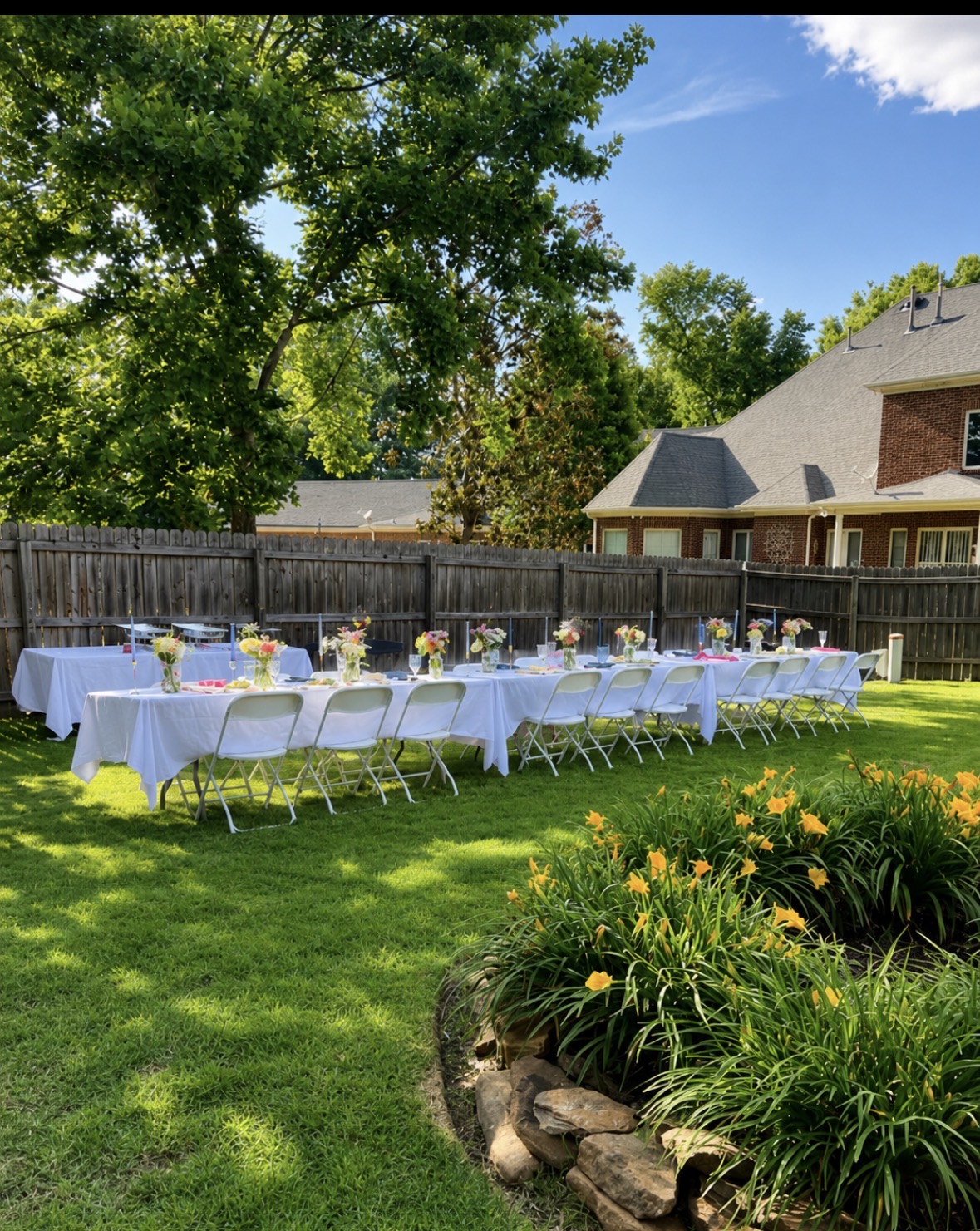
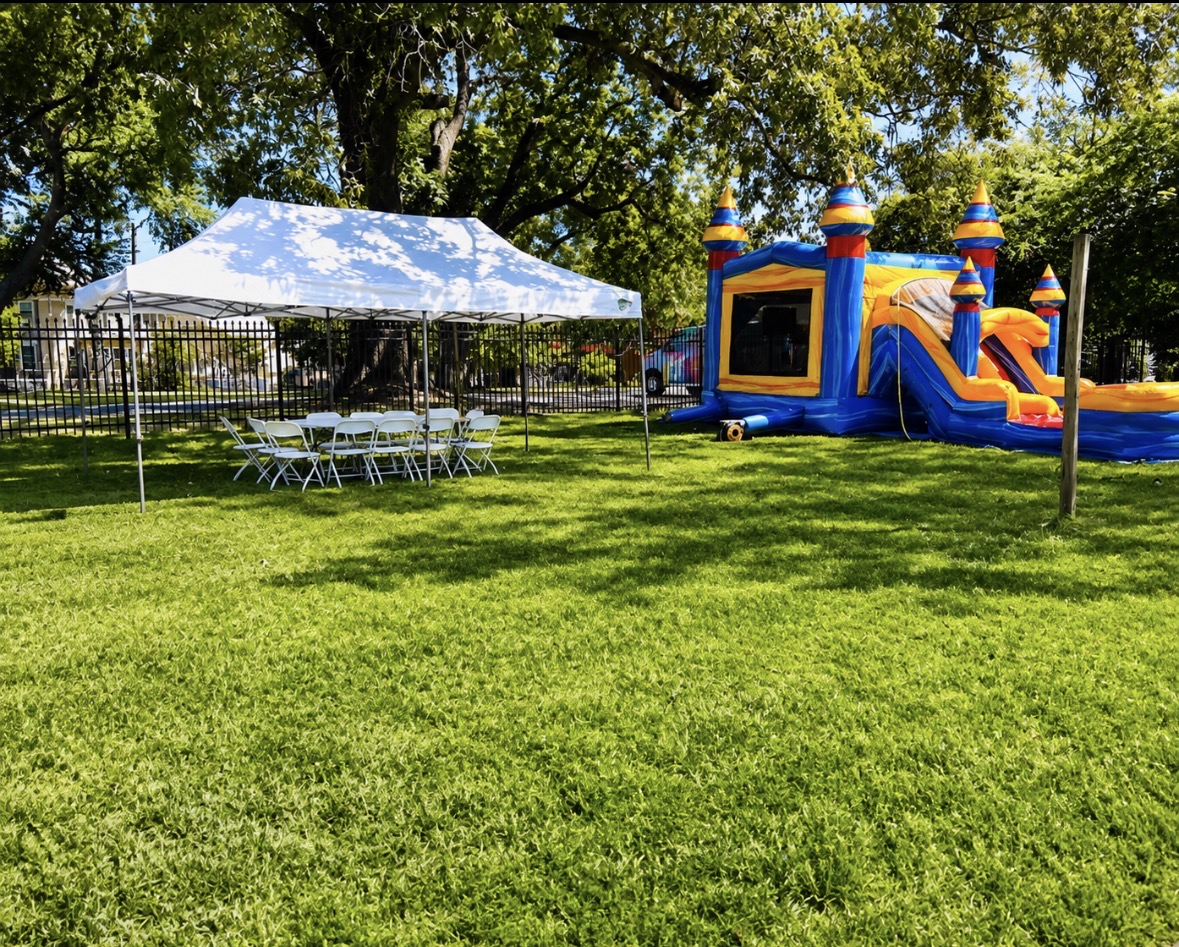
Tents also work well when we need flexible layouts on lawns, parking lots, or riverside sites where indoor options don’t exist. October and April, our driest months, are lower-risk windows for open-sided or partial-wall setups.
We still recommend budgeting for at least one full sidewall panel per event, regardless of forecast. Memphis weather shifts fast, and a clear morning can turn into an afternoon storm within a few hours.
When An Indoor Venue Offers Better Protection
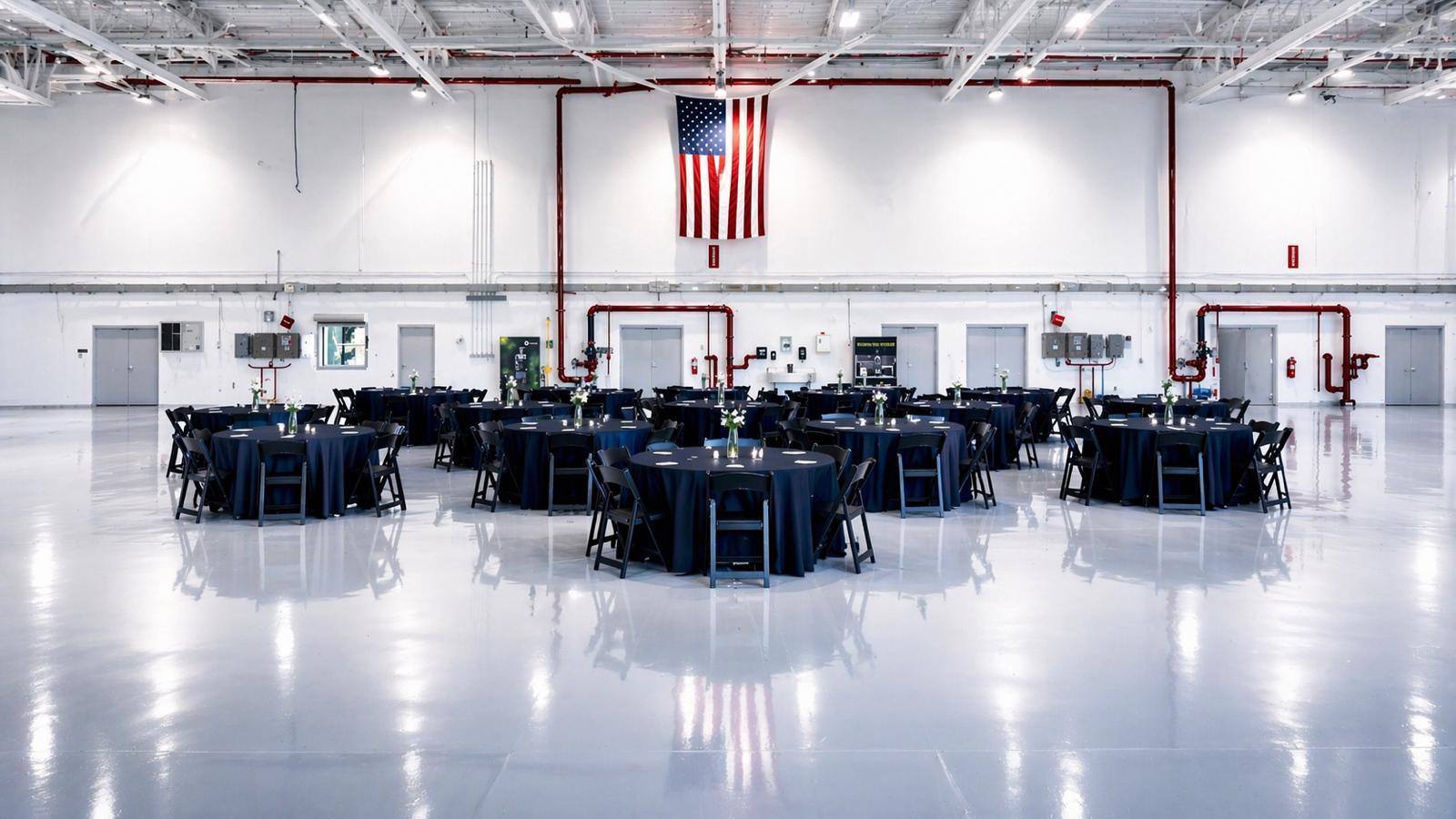
We steer clients toward indoor venues from June through August, when heat index values regularly climb past 100°F. Tents without industrial cooling become unsafe for guests during these months.
Severe weather season, which runs March through May in West Tennessee, is another factor. Straight-line winds and hail accompany many spring storms, and no tent structure holds up reliably against sustained winds over 50 mph.
We also suggest indoor backup for any event over 150 guests, since evacuating a large tent mid-storm is harder to coordinate. Venues with generator backup matter too, given how often summer storms knock out power across Shelby County.
Sidewall, Flooring, Cooling, And Heating Options
Sidewall choice depends on the season and expected wind direction. We typically pair clear vinyl walls with spring and fall events for visibility, and switch to solid white walls in summer to block direct sun.
Flooring matters more than most planners expect. Memphis clay soil holds water, so we install subfloor systems under any tent booked between November and April, and always after two or more inches of rain in the preceding week.
Climate control needs vary by month:
- June–August: Industrial AC units, minimum one ton of cooling per 400 square feet
- December–February: Propane or electric heaters, spaced every 20 feet along tent perimeter
- March–May and September–October: Fans and open sidewalls often suffice, with heaters or AC on standby
We also keep a contingency space, either a smaller backup tent or an indoor room, reserved for any event with more than a 30% rain chance in the forecast.
Site Planning And Vendor Coordination
Memphis conditions affect more than tent choice; they determine where on a property we place the tent, how we schedule delivery, and what contract language protects our clients when weather forces a change. Getting site logistics and vendor terms right upfront prevents most day-of problems.
Drainage, Power, And Access Requirements
We assess drainage before anything else. Shelby County clay soil drains slowly, and standing water after a summer storm can sit for hours. We look for natural slope, avoid low points in yards, and add flooring or sub-flooring when the site history suggests pooling.
Power access matters just as much. Tents with sidewalls, lighting, HVAC units, or fans need dedicated circuits or generators, and we calculate load before the event rather than during setup.
Access for delivery trucks and lift equipment is a separate concern. We confirm gate widths, turf weight limits, and staging areas early, since Memphis venues often sit on properties with narrow drives or protected landscaping.
Weather Monitoring And Decision Deadlines
We track forecasts starting five days out, but we treat anything beyond 48 hours as unreliable in this region. Memphis weather shifts fast, particularly between March and June.
Our real decision window opens 24 hours before the event. At that point we compare radar trends, wind speed forecasts, and any severe weather watches issued by the National Weather Service Memphis office.
We set a firm cutoff time, usually the morning of the event, for calling any last-minute sidewall additions, tent relocation, or a shift to an indoor backup. Waiting past that point limits our options and raises labor costs. Clients receive our recommendation in writing so there’s no ambiguity about who made the call and when.
Contracts, Cancellation Terms, And Backup Plans
Every contract we write includes a weather contingency clause. It specifies what qualifies as a weather event, who decides whether to activate a backup plan, and the deadline for that decision.
We separate cancellation from postponement. A full cancellation due to severe weather, like a tornado warning, typically carries a different refund structure than a rain delay that simply shifts start time.
Backup plans are written into the agreement, not left as a verbal understanding. If a client is choosing between a tent and an indoor venue, we document the exact conditions under which we’d move the event indoors, including who covers the cost difference. This keeps expectations clear on both sides before deposits change hands.