Planning a corporate event in Memphis means coordinating rentals, matching equipment to your venue, and accounting for details that get overlooked until the week of the event. The right rental partner can supply tables, chairs, tents, lighting, and audiovisual equipment while helping you plan a realistic timeline for setup and delivery. Whether we’re organizing a small team gathering or a large-scale conference, the process comes down to matching our needs to the right inventory and the right space.
Memphis offers a range of venues, from historic buildings with built-in character to modern conference centers designed for business functions. Choosing rentals that complement a venue’s existing amenities helps us avoid unnecessary costs and logistical conflicts. We’ll walk through how to assess venue capacity, select equipment for different event types, and work with local providers who understand the demands of company parties, conferences, and grand openings.
This guide covers what we consider before booking rentals, including layout planning, inventory checklists, and timing for delivery and pickup. We’ll also address common questions about budgeting and vendor coordination so our next event runs on schedule and within the plans we’ve made.
Defining Event Goals, Scope, And Budget
Before we contact vendors or reserve equipment, we establish what the event needs to accomplish and how much we can spend achieving it. These two factors, scope and budget, shape every rental decision that follows.
Clarifying Attendance, Format, And Business Objectives
We start by confirming a firm headcount, or at least a reliable range, since guest count determines tent size, seating quantities, and restroom needs.
Next, we define the event format. A seated conference dinner requires different rentals than a standing cocktail reception or an outdoor grand opening with a ribbon-cutting ceremony.
We also identify the business objective behind the event:
- Client appreciation — polished furniture, upgraded linens, ambient lighting
- Product launch — staging, AV equipment, branded signage
- Employee celebration — casual seating, entertainment rentals, food service equipment
- Conference or training session — tables, chairs, podiums, projection screens
Each objective changes what we prioritize in our rental order.
Building A Rental Budget With Contingency Funds
Once we know the format and headcount, we build a budget line by line. We separate costs into categories: tents and structures, furniture, AV and lighting, climate control, and delivery or labor fees.
We request itemized quotes from vendors rather than flat packages, since this lets us see exactly where our money goes. Comparing quotes across multiple Memphis rental companies helps us identify fair market pricing for our region.
We also set aside 10 to 15 percent of our total rental budget as a contingency fund. This covers last-minute additions, weather-related changes, or equipment upgrades we didn’t anticipate during initial planning.
Without this buffer, unexpected costs often force us to cut corners elsewhere in the event.
Selecting Equipment And Furnishings
Equipment selection depends on guest count, venue layout, and the format of the event, whether that’s a seated dinner, a standing reception, or a multi-session conference. We recommend working through furnishings, presentation technology, and weather protection as three separate categories to avoid overlooking details.
Tables, Seating, Linens, And Serviceware
We base table and seating counts on final guest numbers plus a small buffer for late additions.
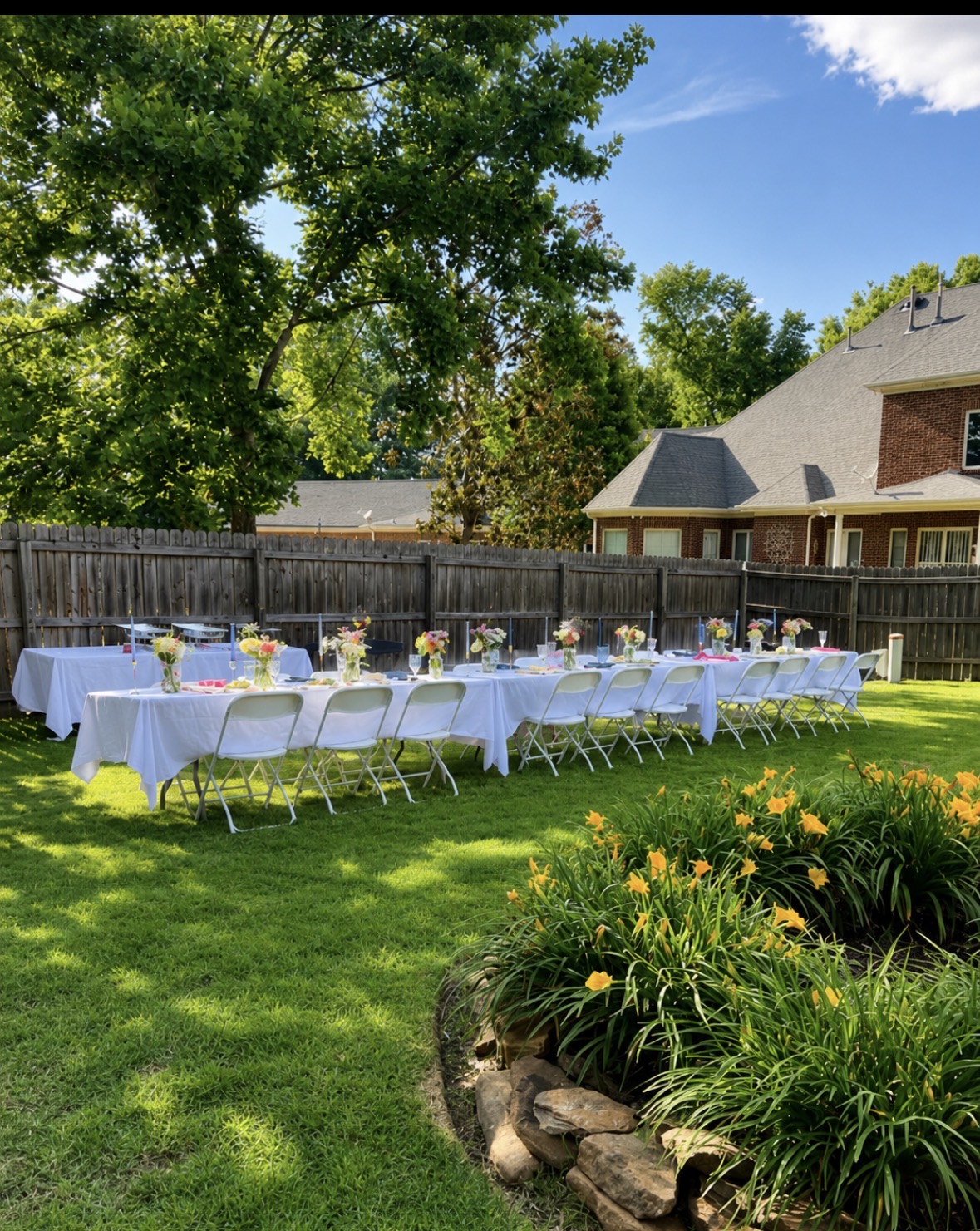
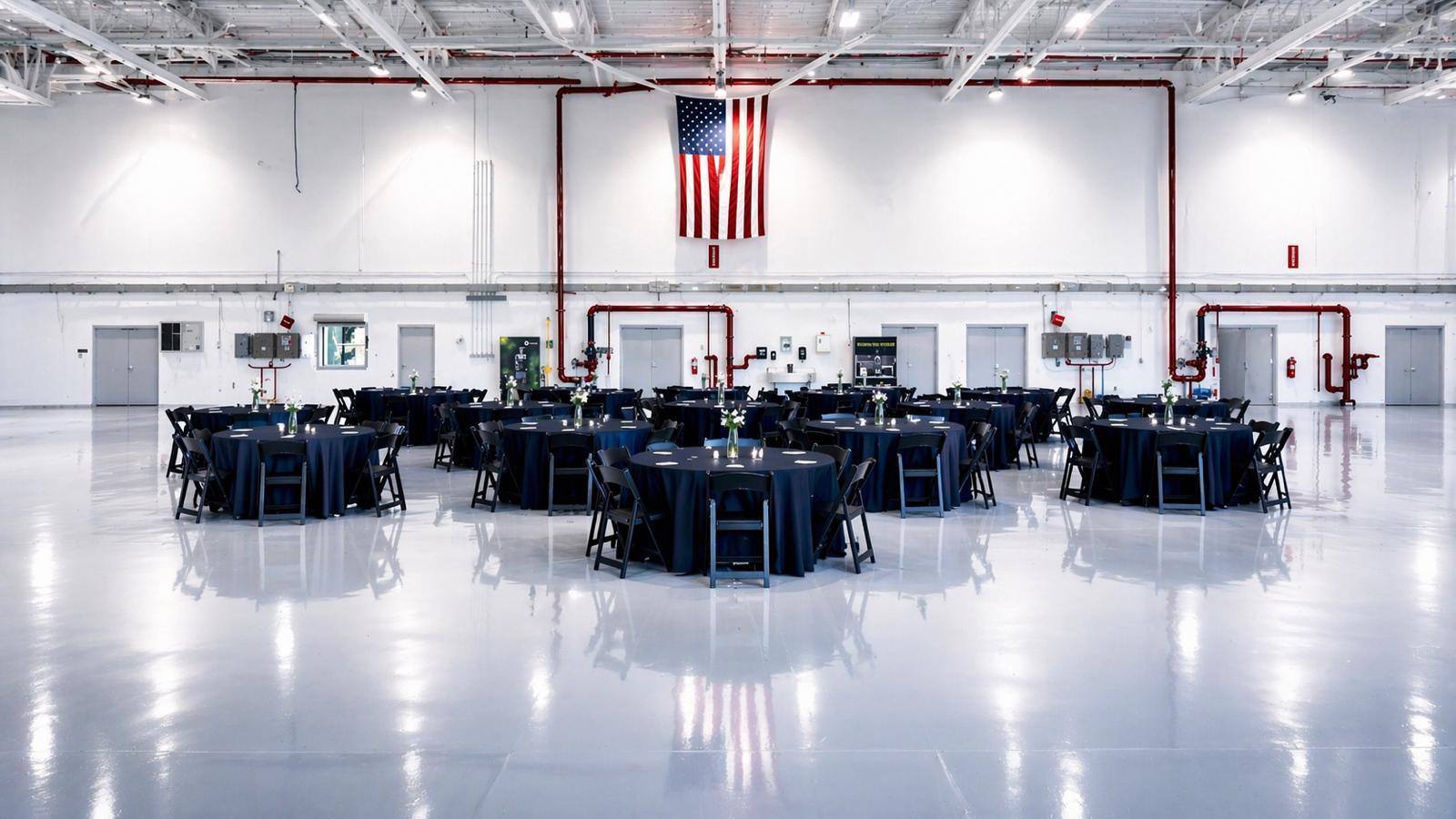
Round tables work well for networking dinners, while rectangular or classroom-style setups suit conferences and training sessions. Standard options include:
- 60-inch round tables — seat 8 guests, common for banquets
- 6-foot and 8-foot rectangular tables — used for buffets, registration, or classroom seating
- Chiavari or padded folding chairs — chosen based on formality level
- Cocktail tables — for standing receptions and networking segments
Linens should match the venue’s color scheme or company branding. We also account for serviceware needs, including glassware, flatware, and chafing dishes, particularly when catering is involved. Ordering slightly more than the guest count covers breakage and last-minute changes.
Staging, Audio-Visual, And Presentation Needs
Conferences and grand openings typically require a raised platform for speakers, along with a podium and microphone setup. We size staging based on the number of presenters and whether product displays or signage will share the space.
Audio-visual equipment needs vary by room size and acoustics. Key items include:
| Equipment | Common Use |
|---|---|
| Wireless microphones | Speeches, panel discussions |
| Projectors and screens | Slide presentations, video content |
| PA systems | Background music, announcements |
| LED wall or monitors | Branding, live event feeds |
We confirm power access and cable routing early, since larger rooms often need additional outlets or extension cords. Lighting adjustments, including uplighting or spotlights, are worth budgeting for if the event includes a formal program or awards segment.
Tents, Climate Control, And Weather Protection
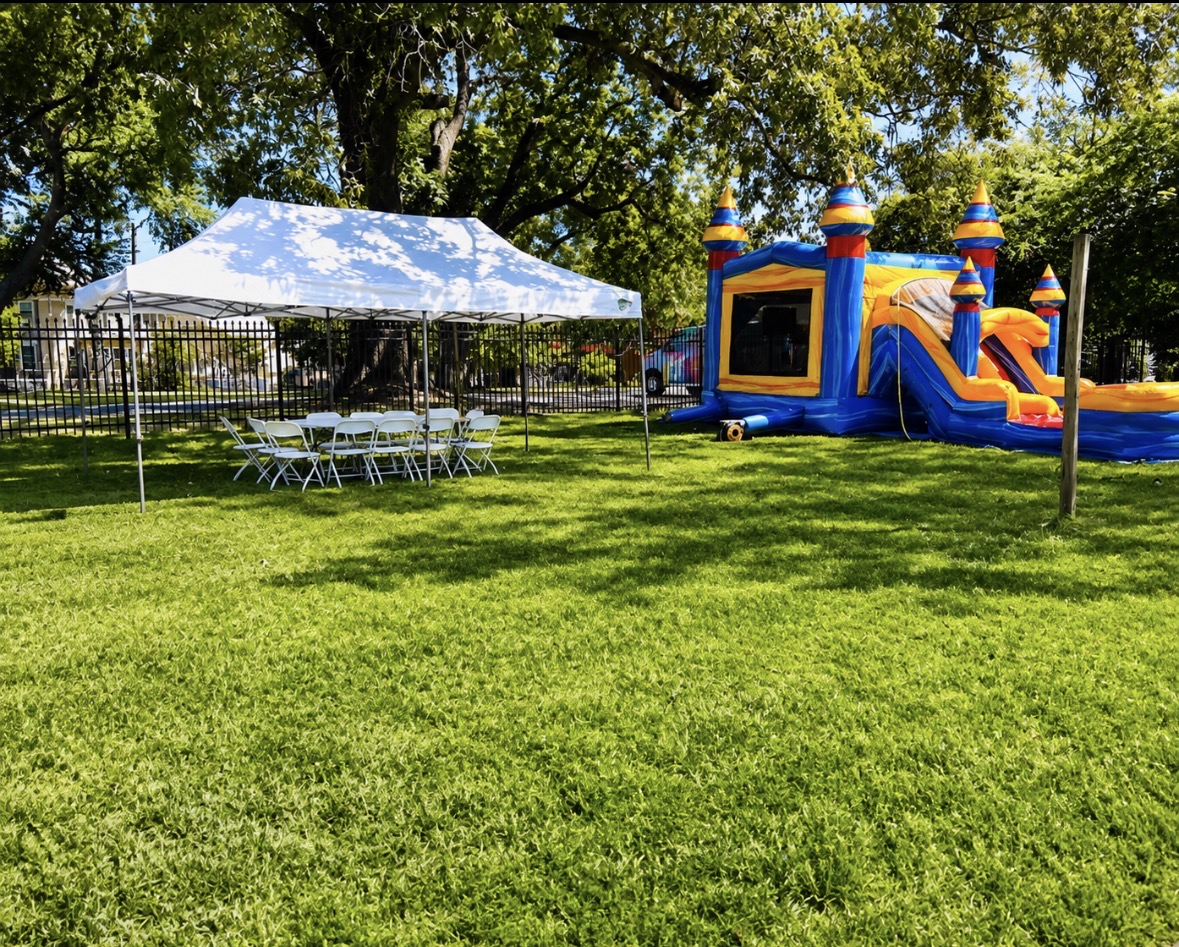
Outdoor company parties and grand openings require tent rentals sized to the guest count and any furniture or staging placed inside. Frame tents work on hard surfaces like parking lots, while pole tents need staked ground.
Memphis summers bring high heat and humidity, so we factor in climate control equipment such as:
- Portable air conditioning units for enclosed tents
- Industrial fans for open-sided setups
- Portable heaters for cooler months or evening events
Sidewalls add weather protection during rain or wind and can be rolled up as conditions allow. We also recommend flooring options, including subfloor systems, for tents placed on grass or uneven ground, since this improves stability for tables, staging, and foot traffic.
Coordinating Logistics At Memphis Venues
Every venue in Memphis has its own rules for access, power, and parking, and we plan around those details before delivery day arrives. Getting these logistics right early prevents delays and keeps setup on schedule.
Site Access, Delivery Windows, And Setup Requirements
We confirm delivery windows with the venue before booking rentals. Loading dock hours, freight elevator availability, and street access all affect how early our trucks can arrive.
Some Memphis venues, especially those downtown or in historic buildings, have narrow hallways or limited dock space. We measure doorways and pathways in advance so tables, staging, and tent components fit through without last-minute adjustments.
Setup timing matters too. We typically request a minimum of three to four hours before an event starts, longer for large tents or full staging builds. Breakdown windows are just as important, particularly for venues with back-to-back bookings.
Permits, Power, Parking, And Accessibility
Outdoor events often require permits, especially for tents over a certain size or events on public property. We check with the City of Memphis or the venue directly to confirm what’s needed.
Power is another key factor. Not every venue offers enough outlets for lighting, sound, or catering equipment, so we calculate load requirements and bring generators when necessary.
Parking and accessibility also shape our planning:
- Vendor parking must be secured separately from guest parking
- ADA-compliant pathways are required for tents, staging, and seating areas
- Loading zones need clear time slots to avoid conflicts with other vendors
Working With Caterers, Venues, And Event Teams
We coordinate directly with caterers to confirm equipment needs, including tables, chafing dishes, and refrigeration units. Miscommunication here often causes setup delays, so we clarify these details early.
Venue staff are also part of this process. We work with their event coordinators to align our schedule with their internal policies, especially around noise limits, cleanup requirements, and shared spaces.
For larger events, we stay in contact with the full event team, including planners and AV crews, to make sure equipment placement doesn’t interfere with other vendors’ work.
Finalizing Orders And Managing Event Day
Once we select our vendor and confirm our order, the final steps determine whether our event runs smoothly or hits avoidable snags. This means reading the fine print, mapping out logistics, and planning the breakdown before the first guest arrives.
Reviewing Rental Agreements And Damage Policies
Before we sign anything, we read the contract in full. We look for delivery windows, cancellation deadlines, and what happens if we need to adjust quantities close to the event date.
Damage policies deserve close attention. Most Memphis rental companies charge replacement fees for broken glassware, torn linens, or stained furniture, and these costs vary by vendor.
We confirm the following details in writing:
- Security deposit amount and refund timeline
- Weather policy for outdoor tents and equipment
- Late return fees if breakdown runs longer than scheduled
- Insurance requirements, especially for large tents or structures
We also ask whether damage waivers are available, since they can reduce our financial exposure for a small added fee.
Creating A Setup Timeline And Floor Plan
We build a setup timeline that works backward from our event start time. Corporate Event Rentals in Memphis includes delivery windows, setup crew arrival, and a buffer period before guests arrive.
A floor plan helps our vendor’s crew place tables, chairs, and staging without guesswork. We measure our venue space and account for walkways, exits, and any local fire code requirements for guest capacity.
Our timeline typically includes these milestones:
- Delivery and unloading
- Tent or structure assembly
- Table, chair, and lighting placement
- Final walkthrough with vendor staff
We share this plan with our venue coordinator and rental company at least a week in advance. This gives everyone time to flag conflicts before event day.
Planning Pickup, Breakdown, And Post-Event Review
We schedule pickup times as carefully as delivery. Most companies collect equipment the same night or the next morning, depending on venue rules and staff availability.
We assign a team member to walk through the space with the rental crew during breakdown. This person confirms all items are accounted for and notes any damage before the crew leaves.
After the event, we review our experience with specific questions in mind:
- Did the vendor arrive on schedule?
- Was the equipment in good condition?
- Did the final invoice match our original quote?
This review helps us decide whether to rebook the same company for future Memphis events.