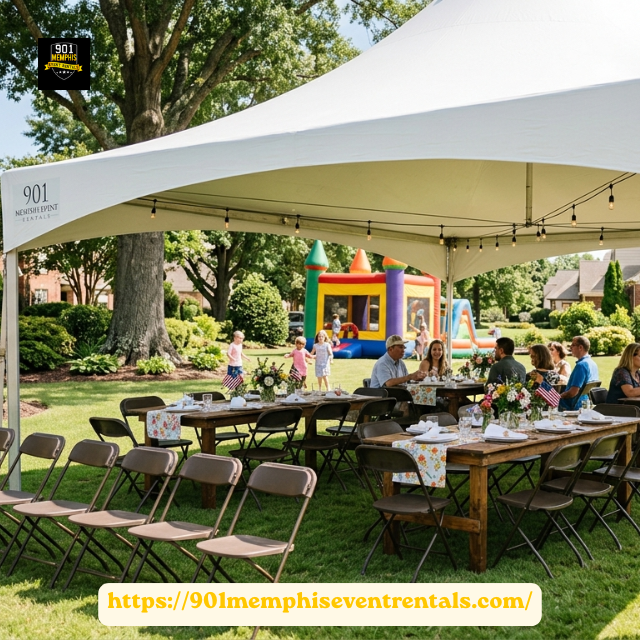
Planning an outdoor event in Memphis means balancing comfort, style, and practicality. The city’s unpredictable weather and humid summers make proper tent and equipment rentals essential for weddings, corporate events, and festivals alike. Choosing the right rental setup ensures guests stay comfortable while your event runs smoothly from start to finish.
We focus on what truly matters—space, shelter, and the right tools to handle Memphis’s changing conditions. Whether it’s a shaded tent for a riverside reception or reliable lighting and power for an evening fundraiser, knowing what to rent and how to tailor it to your site can transform a simple gathering into a polished experience.
Our complete guide walks through key considerations, from selecting tent sizes to arranging climate control and logistics. You’ll see how smart planning and trusted local vendors make every outdoor celebration in Memphis easier to manage and more enjoyable for everyone.
Essential Considerations for Outdoor Events in Memphis
We must align every event detail with Memphis’s unique climate, local regulations, and space logistics. Paying close attention to weather shifts, permitting processes, and accurate guest estimates helps ensure a well-organized and comfortable outdoor gathering.
Weather Factors and Seasonal Planning
Memphis’s climate changes dramatically across the year, influencing everything from tent choice to flooring needs. Spring and fall often bring mild temperatures but unpredictable rain, making clear-span tents with sidewalls a smart rental option. Summer events demand fans, cooling stations, or air-conditioned tents, while winter gatherings may require portable heaters and flooring to prevent dampness.
We monitor the local forecast closely and build weather contingency plans. It’s useful to set up tents on elevated or well-drained surfaces and include side panels that can open or close quickly. Working with local vendors familiar with Memphis’s weather patterns ensures we select optimal equipment materials and layouts.
Venue Selection and Permitting
Choosing a location involves more than scenic appeal. Memphis offers well-known outdoor venues like Overton Park, Shelby Farms Park, and riverside pavilions, each with specific guidelines for space use, noise levels, and event curfews. We verify availability early and confirm whether electricity, restrooms, and water sources are accessible.
Most public locations require permits for tents, amplified sound, and alcohol service. Contacting the City of Memphis Parks Division in advance avoids unexpected delays. We also review insurance requirements, delivery access, and setup restrictions with the venue management. By confirming these logistical details, we keep both vendors and attendees compliant and comfortable.
Guest Count and Space Requirements
Accurate guest estimates directly shape tent size and equipment needs. A general guideline is:
| Event Type | Recommended Space per Guest |
|---|---|
| Seated dinner | 10–12 sq. ft. |
| Cocktail-style | 8–10 sq. ft. |
| Ceremony only | 6–8 sq. ft. |
We add room for staging, dance floors, catering prep, and walkways, which can increase total space by 20–30%. By planning tent dimensions alongside seating arrangements and service zones, we maintain efficient flow and comfort. Factoring in vendors, entertainment, and accessibility paths ensures the site accommodates everyone safely and smoothly.
Choosing the Right Tent and Equipment Rentals
Planning a successful outdoor event in Memphis requires us to match the tent type, layout, and equipment to the event’s size, purpose, and location. Selecting durable, weather-appropriate rentals and experienced local vendors helps us provide comfort, safety, and a polished setup for guests.
Types of Tents for Different Event Styles
We choose our tent style based on the event environment and the look we want to achieve. Frame tents work well on uneven surfaces and allow for clear open interiors without center poles. Pole tents, supported by tall center poles, create high peaks that suit weddings and formal receptions.
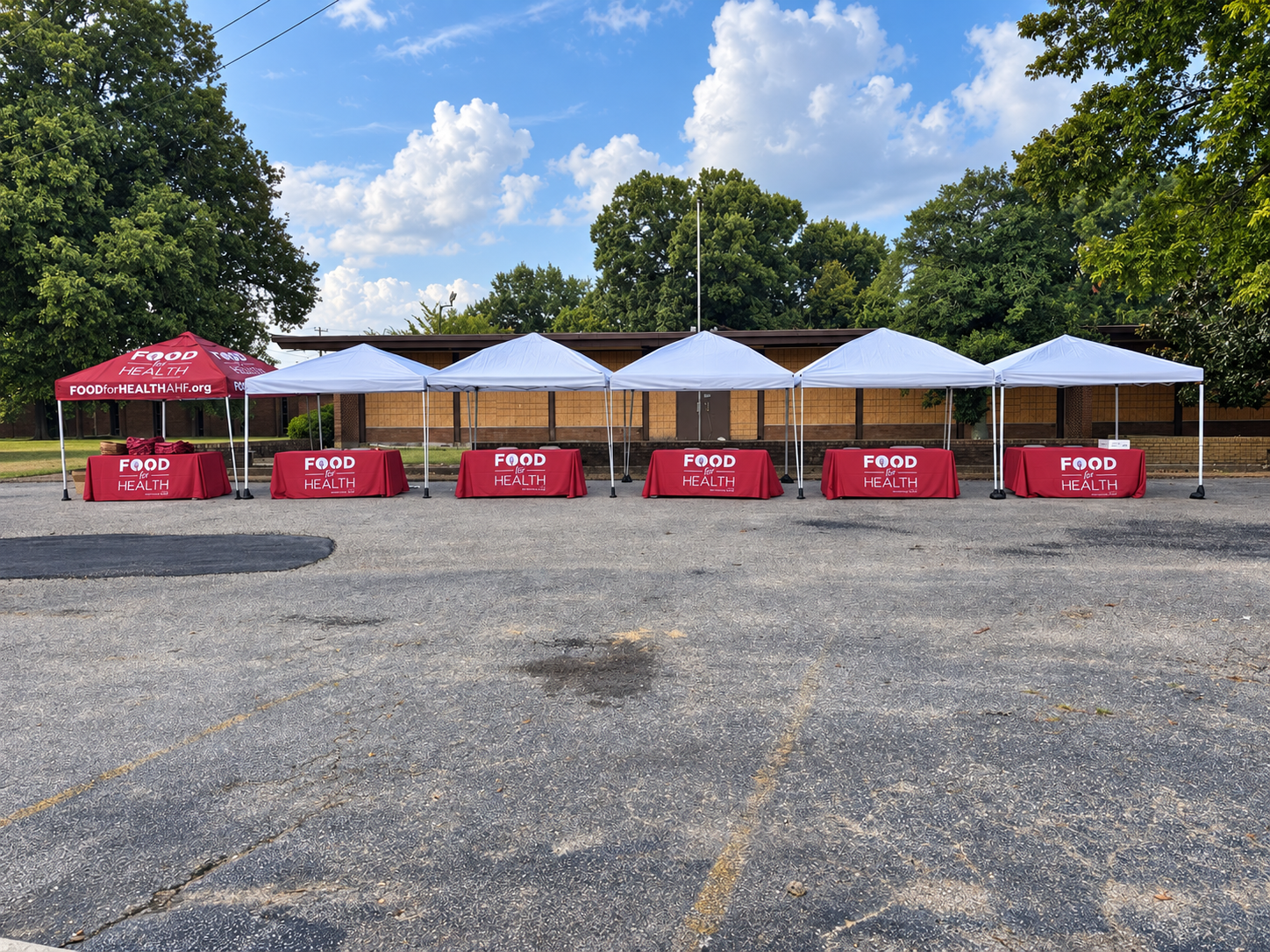
For a more modern look, clear-top tents provide natural light and visibility, ideal for evening events or city views. Sailcloth tents add a refined aesthetic with translucent material that glows softly at night, while pop-up or canopy tents serve well for smaller gatherings or vendor areas.
When estimating tent size, we calculate around 10–12 square feet per guest for seated dining, adding extra space for dance floors, food stations, and walkways. Taking time to plan this layout keeps traffic flowing smoothly and avoids overcrowding.
Must-Have Event Equipment for Comfort and Safety
Reliable equipment supports the function and comfort of every outdoor event. We secure tables, chairs, and flooring that match both event formality and terrain. Climate control, such as fans, heaters, or portable AC units, helps maintain a comfortable temperature in Memphis’s variable weather.
Lighting is another priority. We use LED string lights, chandeliers, or area lighting for visibility and ambiance. Electrical setups should always follow local safety codes, with grounded connections and protective covers for cables.
Other essentials include portable restrooms, handwashing stations, and backup generators in case of power interruption. Selecting sturdy staging, sound systems, and crowd control barriers also improves safety and event flow.
Local Vendor Selection and Comparison
Working with reputable Memphis rental companies ensures reliable delivery, setup, and breakdown. We compare vendors by pricing packages, tent quality, maintenance practices, and response time during weather changes.
A good vendor provides site inspections and professional recommendations on tent sizing and layout. They should also hold proper permits and liability coverage, especially for large gatherings or public spaces.
We often review client feedback, sample photos, and local references before signing agreements. Choosing dependable partners reduces delays and helps us meet event timelines with fewer logistical issues.
Customization and Logistics for a Seamless Experience
A successful outdoor event depends on how well we manage layout, aesthetics, and execution. By coordinating each element—space planning, decorative details, and vendor scheduling—we create an environment that feels organized and comfortable for every guest.
Event Layout and Floor Plan Tips
We start with a clear site map that accounts for entrances, seating, catering, and emergency exits. Open spaces must support guest flow while maintaining safety and accessibility. For large-scale events, we often mark key areas with signage or temporary paths to prevent bottlenecks.
Using CAD floor plan software or a simple scaled drawing helps us visualize spacing. Each tent type—frame, pole, or clearspan—defines specific anchor points and usable interior space. We make sure to measure slopes or uneven terrain that could affect tent leveling and flooring stability.
For practical comfort, we group related functions close together. A sample layout might include:
| Zone | Purpose | Key Considerations |
|---|---|---|
| Reception Area | Guest greeting | Shade, signage visibility |
| Dining Space | Seating and service | Table spacing, lighting |
| Dance/Stage | Entertainment | Power access, flooring |
| Catering/Staff | Back-of-house | Ventilation, traffic flow |
Thorough planning makes logistics easier on event day and reduces last-minute layout changes.
Lighting, Décor, and Theming
Lighting transforms a tented event after dark and enhances mood at any hour. We balance functional illumination—such as pathway lights and chandeliers—with decorative touches like string lights or lanterns. Using LED fixtures helps reduce power use and heat during warmer Memphis evenings.
Cohesive décor requires matching colors, textures, and furniture styles with the event’s purpose. For a wedding, soft draping and floral accents suit a romantic atmosphere. Corporate gatherings benefit from branded signage and clean, neutral tones that support a professional setting.
We always verify that materials meet local fire-safety codes and can withstand humidity or sudden weather shifts. Weatherproof fabrics, weighted bases, and tent liners prevent damage without sacrificing design appeal.
Delivery, Setup, and Coordination
Logistics begin several days before the event. We confirm delivery windows, inspect the site for access restrictions, and verify power and water connections. Clear communication with the rental company ensures equipment arrives in order of setup priority—tents first, followed by flooring, lighting, and furnishings.
During installation, experienced crew members handle anchoring, leveling, and tensioning to maintain structural integrity. We double-check that exits are unobstructed and that cables and cords are safely secured.
Coordination doesn’t end after setup. We maintain contact with vendors throughout the event for troubleshooting or quick adjustments. Afterward, the same careful approach applies to takedown and removal, minimizing site disturbance and preserving the location for future use.