Choosing the right tent size for your outdoor event in Memphis depends mainly on your guest count, event type, and layout needs. Whether you opt for a 20×20, 20×30, or 20×40 tent, understanding how many people you expect and how you plan to arrange seating is essential. We recommend estimating your guest list first, then selecting a tent that allows comfortable space per person based on your seating style.
Seating arrangements like banquet tables, theater rows, or cocktail setups will change the amount of space you need. Weather considerations in Memphis can also influence your choice, as larger tents offer better protection against wind or rain. Combining tents with adequate chair setups ensures a complete and functional event space.
By matching tent size to your specific event requirements, we can create an enjoyable and organized outdoor experience. This guide helps us make informed decisions about space, comfort, and weather protection.
Determining the Ideal Tent Size for Your Memphis Event
Choosing the right tent size requires us to consider the number of guests, the event style, and extra spaces like food areas and dance floors. Balancing these factors helps us avoid overcrowding or wasted space, ensuring comfort and functionality.
Estimating Guest Count for Proper Fit
We start by calculating the number of guests attending. For seated dinners, allocate about 10-12 square feet per person to allow room for tables, chairs, and aisles. For standing or cocktail-style events, 6-8 square feet per person is usually enough.
Here’s a quick reference:
| Event Type | Square Feet per Guest |
|---|---|
| Seated Dinner | 10-12 sq. ft. |
| Cocktail/Standing | 6-8 sq. ft. |
This helps us select between typical tent sizes like 20×20, 20×30, or 20×40. For example, a 20×20 tent is 400 sq. ft., suitable for about 30 seated guests or 50 standing.
Matching Tent Dimensions to Event Type
The event type influences how we use the space. Formal dinners require larger tents to fit round tables and wide aisles. A 20×40 tent can comfortably hold up to 70 seated guests. Casual events like receptions or mixers need less space per person.
We should also consider layout options. Rectangular tents allow linear table arrangements, while square tents suit flexible layouts. Weather conditions in Memphis might affect packing density, with outdoor events possibly needing more space for airflow or fans.
Calculating Space for Food Stations and Dance Floors
We must set aside additional room beyond seating. Food stations typically require 100-150 sq. ft., depending on the number of stations and buffet style. Dance floors usually need at least 200 sq. ft. for 20-30 guests dancing simultaneously.
When combining these areas, we add their square footage to guest seating requirements. For example, a 50-guest seated event with a food station and small dance floor might need a 20×30 tent (600 sq. ft.) or larger. Planning space this way avoids overcrowding and lets us fit all necessary components comfortably.
Comparing 20×20, 20×30, and 20×40 Tent Options
Choosing the right tent size depends on guest count, seating style, and available venue space. We must consider how each size accommodates different layouts and weather needs to ensure comfort and functionality.
Capacity Guidelines for Each Tent Size
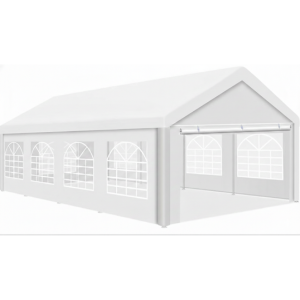
A 20×20 tent covers 400 square feet and fits about 20-30 guests seated with tables. It works well for small gatherings or food stations. For theater-style seating without tables, it can hold up to 40 people.
The 20×30 tent offers 600 square feet. This size comfortably fits 40-60 guests seated at tables. We can use it for larger parties or buffet-style setups, providing more room for movement and additional equipment.
The largest, 20×40, covers 800 square feet. We consider this for 60-80 seated guests or events requiring multiple seating areas and dance floors. This size supports more versatile layouts and additional amenities like bars or stages.
Advantages of Larger Versus Smaller Tents
Smaller tents like 20×20 are quicker to set up and cost less. They suit intimate events where space is tight or weather impact is minimal. They also require fewer chairs and tables, keeping the setup simple.
Larger tents give us flexibility for complex layouts and protecting guests from weather elements like rain or strong sun. They accommodate varied group sizes and provide room for extras, such as staging or catering stations, without crowding.
However, bigger tents require more secure anchoring and space around the tent perimeter. We must balance cost, setup time, and space needs when comparing sizes to avoid overspending or overcrowding.
Adapting Tent Choice for Unique Venues
When our venue has limited open space, such as urban courtyards, the 20×20 or 20×30 tents offer manageable footprints. Narrow areas or irregular shapes can benefit from a smaller tent with strategic chair placement.
In open areas like parks or large backyards, the 20×40 tent maximizes coverage without restricting flow. We can combine tents side by side for larger gatherings or different activity zones.
Consider ground conditions and obstacles like trees or slopes. Choosing a tent with the proper dimensions ensures we create a comfortable, safe event environment while fitting the venue’s physical constraints.
Optimizing Event Layout and Guest Comfort
Ensuring that guests have enough space to move comfortably and that seating aligns with the event’s flow is essential. Thoughtful chair and table placement, paired with weather-ready tent features, creates a more enjoyable experience. Combining tents and chairs effectively completes the setup for various event types and sizes.
Effective Seating Arrangements
We focus on the type of event to decide seating. For dinners or formal gatherings, rectangular tables fit well in 20×30 or larger tents, seating about 6-8 people per table. Cocktail or standing events require fewer tables and more open space to encourage mingling.
For example, a 20×20 tent can hold up to 40 seated guests at round tables, while a 20×40 tent accommodates 80 or more with rectangular tables. Allow at least 24 inches of space per person for seating comfort.
Spacing aisles between tables, typically 4 feet wide, improves guest movement and service access. Keep the head table or focal point visible from all seats.
Positioning Chairs and Tables for Accessibility
We must prioritize easy access, especially for guests with mobility challenges. Arrange aisles wide enough (minimum 4 feet) for wheelchairs or service carts. Avoid placing tables or chairs where they block exits or high-traffic areas.
Place seating clusters near tent entrances and exits to reduce congestion. If the event involves dancing or presentations, leave open space clear of seating on one side.
Place chairs uniformly around tables to maintain balance and prevent overcrowding on one side. Avoid mixing chair sizes and styles to ensure uniform comfort and appearance.
Weather Considerations and Tent Enhancements
Memphis weather can be unpredictable, so preparing for sun, rain, or wind is crucial. Use tents with sidewalls that can be added or removed depending on weather conditions. Clear sidewalls offer visibility and protection from wind.
Add floor mats or carpet for wet ground to prevent slips and keep seating and tables dry. Consider fans or heaters based on the season; portable units fit easily inside tents.
Use weighted tent anchors and secure connections to withstand gusts. Inform guests about weather-appropriate clothing if the tent isn’t fully enclosed.
Combining Tents and Chairs for Complete Setups
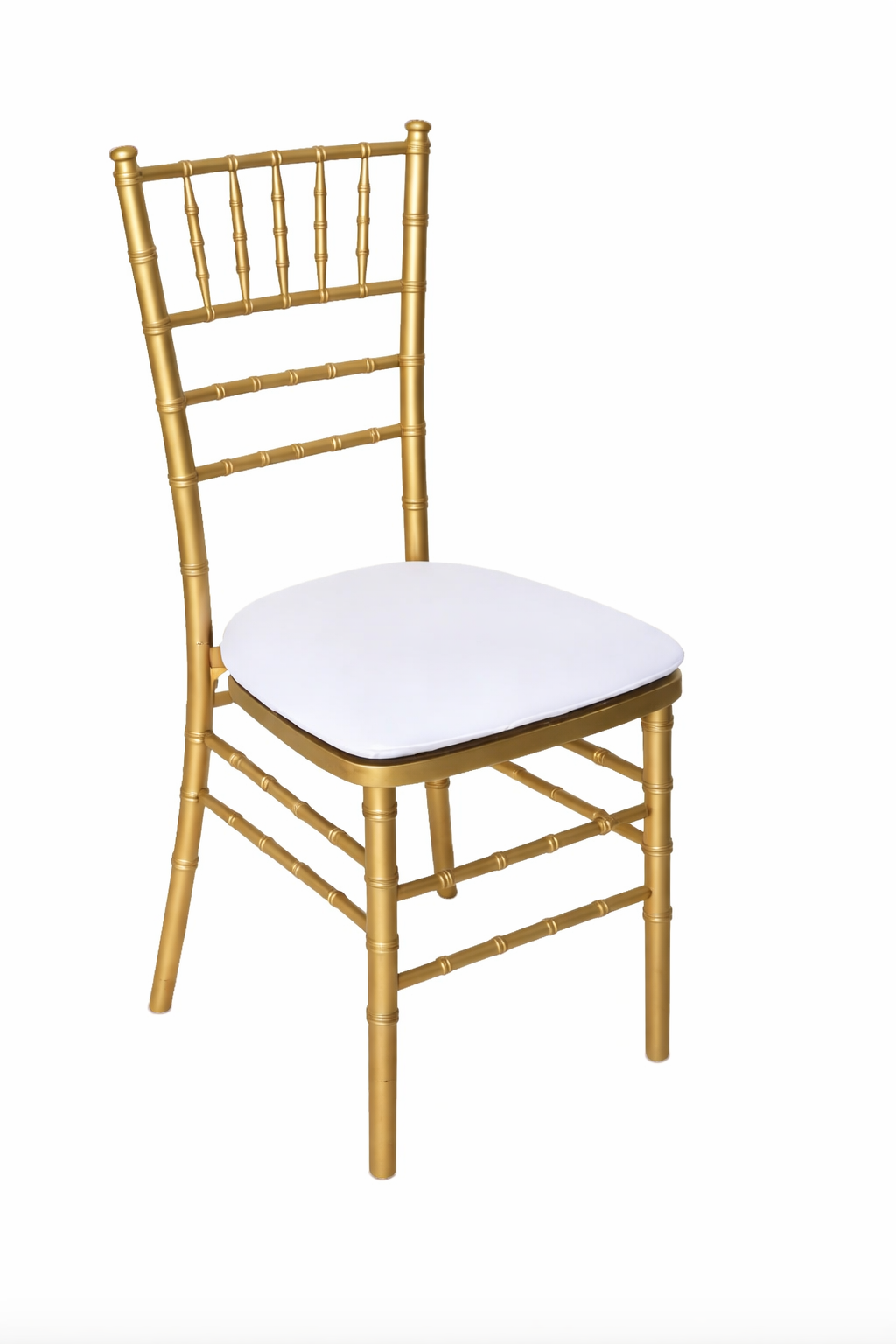
Pairing tent size with chair quantity is key to avoiding cramped or underused space. For a 20×20 tent, plan for up to 50 chairs with space for walking. Larger tents like 20×40 can handle 100+ chairs with multiple table arrangements.
Consider a mix of seating types—banquet chairs for dining areas, lounge chairs for casual zones. Using different tents for separate functions like dining and dancing helps organize guests smoothly.
We recommend labeling areas within the tent and providing clear signage to guide guests to seating, restrooms, and food stations. This arrangement improves flow and overall guest satisfaction.